Comuna 13 Graffiti Tour: The Complete Guide (2026)
Updated July 20269 min readBy Mike Chartrand
Comuna 13 went from the site of a 2002 military operation to Medellín's most-visited neighborhood, and the outdoor escalators, hip-hop culture, and dense street art are why. This guide covers guided vs self-guided tours, what the murals actually mean, and how to do it right, including where your money should go.
Specific question while you read? Ask Catalina, the Medellín Guide concierge.Chat with Catalina ›
From Colombia's most feared block to its most visited
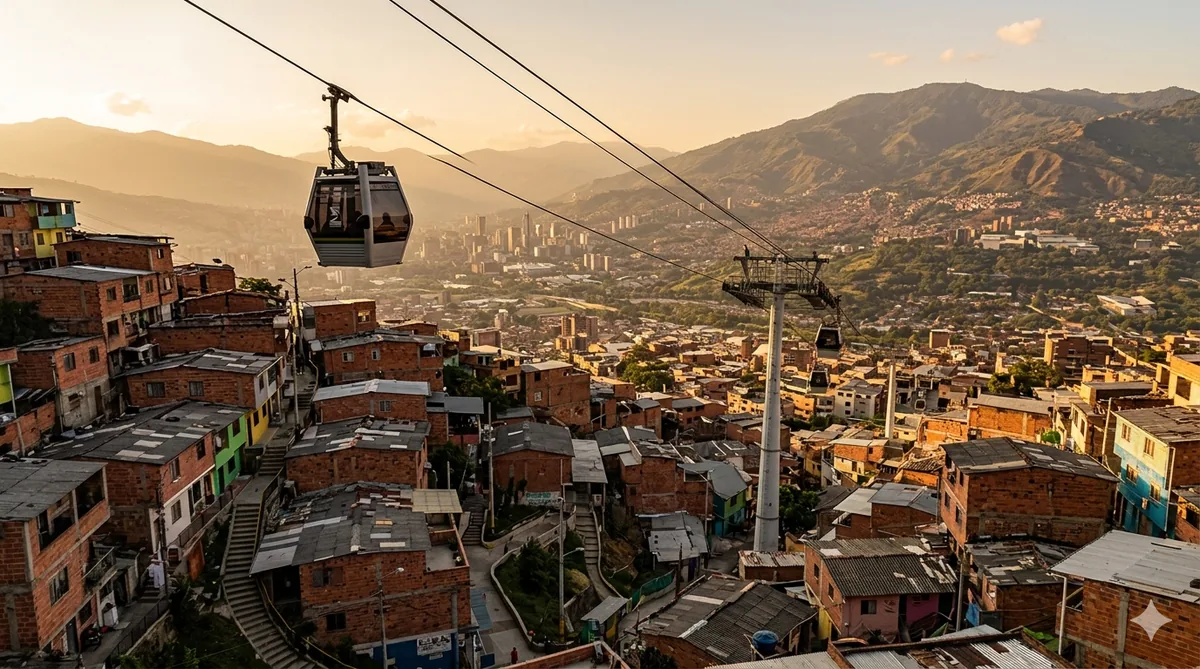
Comuna 13 (San Javier) sits on the western hillside of Medellín and was, until the mid-2000s, one of the most violent neighborhoods in the country. It was the site of Operación Orión in October 2002, a large military operation to retake the comuna from armed groups. What followed was two decades of public investment, community organizing, and a genuinely unusual choice: instead of walling the hillside off, the city ran an outdoor escalator system straight up through it and let tourism in.
Today Comuna 13 is one of the most-visited neighborhoods in Medellín, and the transformation is the actual story people come to see, not a backdrop. The murals cover real walls of real houses where families still live. Tour guides here are frequently young people who grew up through the worst of it, and the tour fee is one of the more direct ways a visitor's money reaches the community rather than a tour operator's margin.
The outdoor escalators
The Comuna 13 escalators (Escaleras Eléctricas) opened in December 2011: six connected outdoor sections climbing about 384 meters of hillside, covered by an orange canopy, free to ride, and built to cut what used to be a 30-plus minute stair climb down to about six minutes. They were built as public transit infrastructure for residents first, tourist attraction second, and that's still how locals use them every day.
They're not a ride, they're transit: Riding up and down for photos is fine and expected, but the escalators are a working part of the neighborhood's transit system. Stand to one side if you stop to take a photo so residents with groceries or kids can get past.
Guided tour or self-guided
You can absolutely walk Comuna 13 on your own: it's a compact, well-marked circuit and safe in daylight in the tourist corridor. But most people, including us, recommend a guided tour, for two reasons that have nothing to do with safety.
Context. A mural of a woman holding a dove doesn't mean much until someone who lived through Orión explains what it references. The art here is dense with specific, local symbolism that a guidebook can't fully carry.
Where the money goes. Many guides are from the comuna itself, some run their own small collectives (Casa Kolacho is the best known). Booking with a local guide or collective puts money directly into the neighborhood instead of a tour company's cut.
Group walking tours run about COP 40,000 to 80,000 (USD 10 to 20) per person, 2 to 2.5 hours, usually starting at the base near San Javier metro station. Private guides cost more but let you set the pace and ask more questions. If you'd rather book online ahead of time, this Comuna 13 graffiti tour with street food on Viator covers both the murals and the vendor stalls in one booking. Either way, tip your guide directly, and tip street performers and dancers if you stop to watch them, that's their income, not a courtesy.
Photo via Viator
Reading the murals
The murals rotate: artists repaint over old work, so no two visits look exactly alike. Recurring symbols worth knowing before you go: elephants represent memory and strength (elephants are said never to forget), birds and doves represent peace and the ability to leave violence behind, and umbrellas painted on stairwells or walls reference the yellow umbrellas used during Operación Orión to shield residents and journalists. A lot of the work also simply celebrates paisa culture directly: fruit vendors, grandmothers, football, salsa dancers.
Street art here is legal and city-sanctioned, which is part of why it's stayed so dense and well-kept rather than getting painted over. Artists are frequently working on new pieces while you walk through, and most are happy to talk about their work if you ask (in Spanish or broken Spanish, either is fine).
Hip-hop, breakdance, and Casa Kolacho
Casa Kolacho is a community hip-hop and graffiti collective named for Kolacho, a local rapper and youth mentor killed in 2009. It runs graffiti tours, breakdance classes, and youth programs, and is one of the clearest examples of the comuna's own culture, not an outside NGO, driving the neighborhood's transformation. Breakdancers and rap performers often perform along the tour route, especially on weekends; a small tip (COP 2,000 to 5,000) is the norm if you stop to watch or record video.
Food and drink on the way up
Street vendors line the escalator route: fresh juice, mango biche with salt and lime, obleas (wafer sandwiches with arequipe), and full lunch stalls partway up. Prices are low, COP 3,000 to 15,000 for most snacks, and buying from vendors along the route is another direct way money reaches residents. A few small cafes near the top have decent coffee and a view back down over the city.
Getting there and practical tips
Metro: Take the metro to San Javier station (Line B, western end), then a short walk or a COP 4,000 to 6,000 local bus/colectivo up to the escalator base. Cheapest, easiest, and how most locals do it.
Ride-hailing app or taxi: Direct to the base of the escalators, useful if you're short on time or it's raining.
Best time to go: Weekday mornings (9 to 11 a.m.) for fewer crowds and cooler temperatures on the climb. Weekends bring more street performers and energy but also more people.
What to bring: Cash in small bills (COP 2,000 to 20,000 notes) for vendors, tips, and small purchases, most stalls don't take cards. Comfortable shoes, the side streets off the main escalator route are steep and uneven. Sun protection, most of the route is exposed.
FAQ
Is Comuna 13 safe to visit?
Yes, the tourist corridor around the escalators is safe and busy with visitors and vendors during the day. Stick to the marked route, keep valuables secure as you would anywhere crowded, and avoid wandering into side streets alone after dark. See our full safety guide for context on the city generally.
How long does the visit take?
Budget 2 to 3 hours for a guided tour including stops for photos, food, and performances. Self-guided, you can do the core escalator route in under an hour, though most people linger longer.
Do I need to book in advance?
Group tours can usually be joined same-day at the base of the escalators, but booking a day ahead guarantees your spot and lets you pick a specific guide or collective, including Casa Kolacho directly through their social channels, or a Comuna 13 tour that also rides the Metrocable if you want the cable-car view added on.
Photo via Viator
Is it wheelchair or stroller accessible?
The escalators themselves are step-free, but the connecting streets and stairs off the main route are steep and uneven in places. Manageable for strollers with some lifting; check with your guide about a stroller-friendly route if that matters to you.
San Javier metro station, the base for both the escalators and Line J of the Metrocable, is the natural way in and out either way. If you want to ride the cable car further before or after your Comuna 13 visit, see our full Metrocable guide for the other lines, the fare, and what to expect.
Catalina is our concierge. Ask her about visas, neighborhoods, healthcare, prices, anything Medellín. She answers in chat or WhatsApp, English or Spanish, free.
¿Una pregunta específica mientras lees? Pregúntale a Catalina, la conserje de Medellín Guide.Chatea con Catalina ›
De la cuadra más temida de Colombia a la más visitada
La Comuna 13 (San Javier) está en la ladera occidental de Medellín y fue, hasta mediados de los 2000, uno de los barrios más violentos del país. Fue el escenario de la Operación Orión en octubre de 2002, una gran operación militar para retomar la comuna de manos de grupos armados. Lo que siguió fueron dos décadas de inversión pública, organización comunitaria y una decisión genuinamente poco común: en lugar de aislar la ladera, la ciudad instaló un sistema de escaleras eléctricas al aire libre que sube directamente por ella y dejó entrar el turismo.
Hoy la Comuna 13 es uno de los barrios más visitados de Medellín, y la transformación misma es lo que la gente viene a ver, no un telón de fondo. Los murales cubren paredes reales de casas donde todavía viven familias. Los guías suelen ser jóvenes que crecieron en lo peor de esa época, y la tarifa del tour es una de las formas más directas en que el dinero de un visitante llega a la comunidad en lugar del margen de un operador turístico.
Las escaleras eléctricas
Las Escaleras Eléctricas de la Comuna 13 abrieron en diciembre de 2011: seis tramos conectados que suben unos 384 metros de ladera, cubiertos por un techo naranja, gratuitas y construidas para reducir lo que antes era una subida de más de 30 minutos a pie a unos seis minutos. Se construyeron primero como infraestructura de transporte público para los residentes, atracción turística después, y así las siguen usando los vecinos cada día.
No son una atracción, son transporte: Subir y bajar para tomar fotos está bien y es esperado, pero las escaleras son parte funcional del sistema de transporte del barrio. Hazte a un lado si paras a tomar una foto para que los residentes con mercado o niños puedan pasar.
Tour guiado o por tu cuenta
Puedes recorrer la Comuna 13 solo sin problema: es un circuito compacto y bien señalizado, seguro de día en el corredor turístico. Pero la mayoría de la gente, nosotros incluidos, recomienda un tour guiado, por dos razones que no tienen nada que ver con la seguridad.
Contexto. Un mural de una mujer con una paloma no significa mucho hasta que alguien que vivió la Operación Orión explica a qué se refiere. El arte aquí está lleno de simbolismo específico y local que una guía escrita no puede transmitir del todo.
Adónde va el dinero. Muchos guías son de la comuna misma, algunos dirigen sus propios colectivos pequeños (Casa Kolacho es el más conocido). Reservar con un guía o colectivo local pone el dinero directamente en el barrio en lugar del margen de una operadora turística.
Los tours grupales a pie cuestan alrededor de COP 40,000 a 80,000 (USD 10 a 20) por persona, 2 a 2.5 horas, casi siempre empezando en la base cerca de la estación San Javier del metro. Los guías privados cuestan más pero te dejan fijar el ritmo y hacer más preguntas. Si prefieres reservar en línea con anticipación, este tour de grafiti de la Comuna 13 con comida callejera en Viator cubre los murales y los puestos de vendedores en una sola reserva. En cualquier caso, dale propina directamente a tu guía, y a los artistas callejeros y bailarines si te detienes a verlos, es su ingreso, no una cortesía.
Photo via Viator
Cómo leer los murales
Los murales rotan: los artistas repintan sobre trabajo anterior, así que ninguna visita se ve exactamente igual. Símbolos recurrentes que vale la pena conocer antes de ir: los elefantes representan memoria y fuerza (se dice que los elefantes nunca olvidan), las aves y palomas representan la paz y la capacidad de dejar atrás la violencia, y los paraguas pintados en escaleras o paredes hacen referencia a los paraguas amarillos usados durante la Operación Orión para proteger a residentes y periodistas. Mucho del trabajo también celebra directamente la cultura paisa: vendedores de fruta, abuelas, fútbol, bailarines de salsa.
El arte callejero aquí es legal y respaldado por la ciudad, lo cual es parte de por qué se ha mantenido tan denso y cuidado en lugar de ser cubierto. Los artistas suelen estar trabajando en piezas nuevas mientras caminas, y la mayoría con gusto habla de su trabajo si les preguntas (en español o español a medias, cualquiera de los dos funciona).
Hip-hop, breakdance y Casa Kolacho
Casa Kolacho es un colectivo comunitario de hip-hop y grafiti nombrado en honor a Kolacho, un rapero y mentor juvenil local asesinado en 2009. Ofrece tours de grafiti, clases de breakdance y programas juveniles, y es uno de los ejemplos más claros de que la propia cultura de la comuna, no una ONG externa, impulsa la transformación del barrio. Bailarines de breakdance y raperos suelen presentarse a lo largo de la ruta del tour, especialmente los fines de semana; una propina pequeña (COP 2,000 a 5,000) es lo usual si te detienes a verlos o grabarlos.
Comida y bebida en el camino
Vendedores callejeros bordean la ruta de las escaleras: jugos frescos, mango biche con sal y limón, obleas con arequipe, y puestos de almuerzo completo a mitad de camino. Los precios son bajos, COP 3,000 a 15,000 para la mayoría de los snacks, y comprarle a los vendedores en el camino es otra forma directa en que el dinero llega a los residentes. Unos pocos cafés pequeños cerca de la cima tienen café decente y vista hacia la ciudad.
Cómo llegar y consejos prácticos
Metro: Toma el metro hasta la estación San Javier (Línea B, extremo occidental), luego una caminata corta o un bus/colectivo local de COP 4,000 a 6,000 hasta la base de las escaleras. La opción más barata, más fácil, y como llega la mayoría de los locales.
Apps de transporte o taxi: Directo hasta la base de las escaleras, útil si tienes poco tiempo o está lloviendo.
Mejor hora para ir: Mañanas entre semana (9 a 11 a.m.) para menos multitudes y temperaturas más frescas en la subida. Los fines de semana traen más artistas callejeros y energía pero también más gente.
Qué llevar: Efectivo en billetes pequeños (COP 2,000 a 20,000) para vendedores, propinas y compras pequeñas, la mayoría de los puestos no aceptan tarjeta. Zapatos cómodos, las calles laterales fuera de la ruta principal son empinadas y desiguales. Protección solar, gran parte de la ruta está al descubierto.
Preguntas frecuentes
¿Es seguro visitar la Comuna 13?
Sí, el corredor turístico alrededor de las escaleras es seguro y está lleno de visitantes y vendedores durante el día. Quédate en la ruta señalizada, cuida tus pertenencias como lo harías en cualquier lugar concurrido, y evita adentrarte solo en calles laterales de noche. Consulta nuestra guía de seguridad completa para contexto sobre la ciudad en general.
¿Cuánto dura la visita?
Calcula 2 a 3 horas para un tour guiado incluyendo paradas para fotos, comida y presentaciones. Por tu cuenta, puedes hacer la ruta principal de las escaleras en menos de una hora, aunque la mayoría se queda más tiempo.
¿Necesito reservar con anticipación?
Normalmente puedes unirte a un tour grupal el mismo día en la base de las escaleras, pero reservar con un día de anticipación asegura tu cupo y te permite elegir un guía o colectivo específico, incluyendo Casa Kolacho directamente por sus redes sociales, o un tour de Comuna 13 que también incluye el Metrocable si quieres agregar la vista desde el cable aéreo.
Photo via Viator
¿Es accesible para sillas de ruedas o coches de bebé?
Las escaleras en sí no tienen escalones, pero las calles y escalinatas que las conectan son empinadas y desiguales en algunos tramos. Manejable con coche de bebé con algo de esfuerzo; consulta con tu guía sobre una ruta más accesible si eso te importa.
La estación San Javier del metro, la base tanto de las escaleras como de la Línea J del Metrocable, es la forma natural de llegar e irte en cualquier caso. Si quieres montar más en el teleférico antes o después de tu visita a la Comuna 13, consulta nuestra guía completa del Metrocable para conocer las otras líneas, la tarifa, y qué esperar.
Catalina es nuestra conserje. Pregúntale sobre visas, barrios, salud, precios, cualquier cosa de Medellín. Ella responde en chat o WhatsApp, inglés o español, gratis.
Get Medellín in your inboxRecibe Medellín en tu correo
One short Saturday email. New guides, what's on this week, and the things worth knowing. No noise.Un correo corto cada sábado. Nuevas guías, qué hay esta semana, y lo que vale la pena saber. Sin ruido.