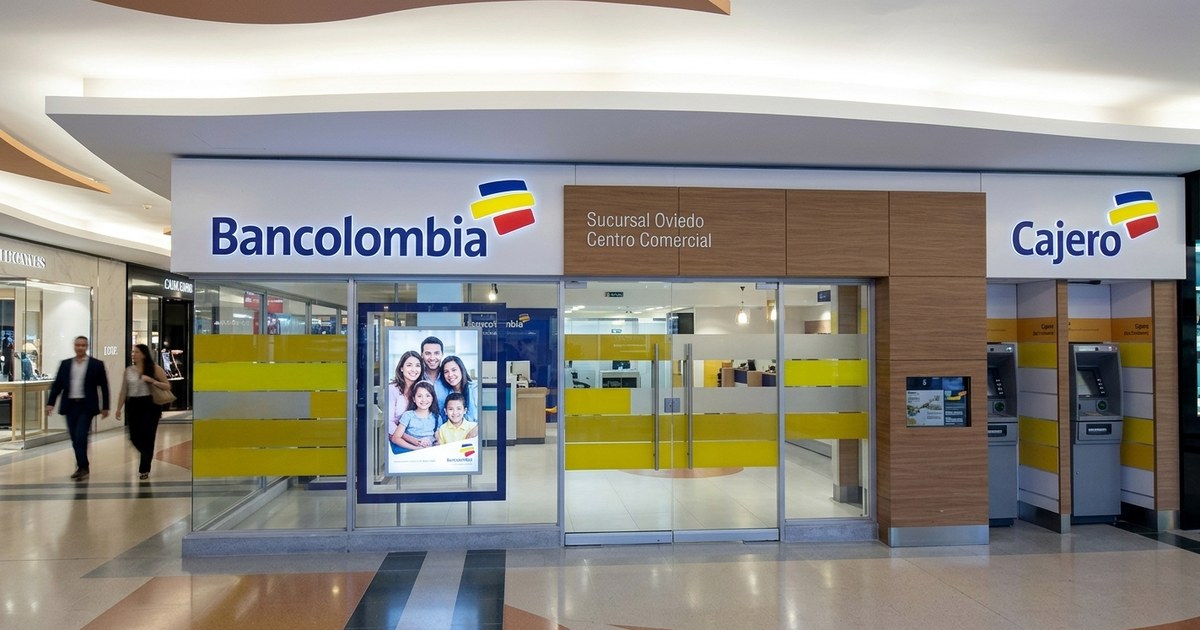
You can't meaningfully live in Colombia without a Colombian bank account. Rent, utilities, gym memberships, the EPS, and almost every domestic service expect a local account and PSE transfer, not a foreign card. This guide walks through how to open an account as a foreigner in 2026, which banks actually accept new residents, how to move money in and out cheaply, and when the 183-day tax residency trigger starts mattering.
Specific question while you read? Ask Catalina, the Medellín Guide concierge.Chat with Catalina ›
Why a Colombian account matters
Rent & deposits are paid through PSE (Pagos Seguros en Línea), Colombia's domestic ACH network. Landlords rarely accept foreign cards.
EPS and prepagada pull contributions from a Colombian account.
Utility bills (EPM in Medellin) use PSE or direct debit.
Most apps (Rappi, Uber, Tu Boleta, Transmilenio) accept domestic cards first and foreign cards with more friction and surcharges.
Getting paid in Colombia as an employee or contractor requires a Colombian account.
Avoiding FX fees of 3 to 6% on every coffee when you use a foreign card.
The main banks and what they offer
Bancolombia
The largest bank in Colombia and the most straightforward for foreigners to open with once they hold a cedula. Best app of the major banks, strongest PSE performance, free deposits at ATMs across the country. Savings account is free; current account (cuenta corriente) has a modest monthly fee. International wires incoming and outgoing are supported but not cheap.
Minimum balance: 0 COP for savings
Monthly fee: 0 to 25,000 COP depending on product
ATM: free at Bancolombia branches, 6,500 to 8,500 COP at other networks
Branches in Medellin: dozens; El Poblado Milla de Oro and Centro are the main expat-friendly ones
Davivienda
A close second. Often slightly friendlier to new cedula holders; the branches in El Poblado, Laureles, and Envigado have English-capable staff who handle foreigner onboarding weekly. The Daviplata digital wallet (below) makes Davivienda a natural fit if you also want the mobile-money layer.
BBVA
Spanish-owned, with a strong digital platform. Popular with Spaniards and Europeans who already bank with BBVA at home and can sometimes get fee reductions on international transfers. Slightly stricter onboarding for self-employed foreigners.
Banco de Bogotá
A reliable traditional bank with a strong branch network. Part of Grupo Aval. The historical "send from the US via the Aval / BAC Credomatic Miami pathway" pricing has been restructured in recent years, don't assume it's still the cheapest option without checking. Confirm current international-wire fees, intermediary banks, and any USD-account products at the branch when you open the account.
Nequi & Daviplata (digital wallets)
Nequi (owned by Bancolombia) and Daviplata (Davivienda) are mobile-first wallets. Nequi has accepted passport-only signup for foreigners since 2023, so you can usually open one within minutes of landing in Colombia using just the app and a passport scan; Daviplata still typically asks for a cedula. Both are free to send and receive money within Colombia, support free PSE transfers, and come with a virtual debit card usable at most online retailers.
Nequi is ubiquitous: street vendors, landlords, hair stylists, and small restaurants all accept “le pago por Nequi” via QR. For most foreigners, Nequi is the first account opened on arrival and the one they use for day-to-day.
The 2026 setup most foreigners land on: Nequi on day 1 (for receiving payments and paying small businesses), Bancolombia or Davivienda once the cedula arrives (for leases, utilities, EPS, and bigger transfers), plus a foreign account like Wise or Charles Schwab for cheap FX and international wires.
How to open an account
Eligibility in 2026
Banks will open a local account for anyone with:
A valid cedula de extranjeria (plastic card in hand, not the digital placeholder), or
A PPT (Permiso por Proteccion Temporal) for Venezuelans, or
In some cases, a passport + in-process visa receipt - bank-specific
Tourists without any of the above can't open a standard Colombian bank account. A handful of fintech workarounds exist (Wise and Revolut hold Colombian peso balances; some neobanks offer virtual accounts tied to a passport) but these aren't substitutes for a PSE-enabled account.
Documents
Cedula de extranjeria (original + photocopy)
Proof of address (lease, utility bill in your name, or landlord letter)
Proof of income or source of funds: most common is 3 months of bank statements from your home bank, or a CPA / employer letter
Foreign passport (as a secondary ID)
Starter deposit: any amount, typically 100,000 to 500,000 COP
The visit
Onboarding is done in person at a branch. Book an appointment online where possible to avoid a 2-hour wait. The meeting takes 45 to 90 minutes and involves a short interview about your source of funds (AML/KYC). Bring original documents - photocopies alone won't do. You leave with:
An account number (for receiving transfers)
A virtual debit card (available immediately in the app)
The physical debit card by mail 7 to 10 business days later
App login credentials and a digital token for higher-value transfers
Ask to be exempt from the 4x1000 while you are there. Colombia charges a financial-transaction tax called the GMF, or "cuatro por mil": 4 pesos per 1,000 (0.4%) on most withdrawals and outgoing transfers. The catch most newcomers miss: you are allowed to designate one savings account as exempt (marcada como exenta del GMF) on withdrawals up to 350 UVT per month, about COP 17,400,000 in 2026. Ask for this when you open the account, otherwise every ATM withdrawal and transfer quietly skims 0.4%.
Moving money in and out
Sending money to Colombia
The cheapest modern options for foreigners bringing money into Colombia in 2026:
Wise (formerly TransferWise). 0.4 to 1.2% total cost. Direct to Bancolombia, Davivienda, BBVA, Banco de Bogotá, and Nequi. Typical processing: 2 to 20 minutes.
Revolut. Similar to Wise, slightly worse rate for COP but excellent if you already use Revolut elsewhere.
Western Union. More expensive (1 to 3%), but huge physical network if you need cash rather than a transfer. Useful for retirees on Social Security deposits.
Remitly, Xoom, WorldRemit. Competitive for US-senders in 2026; check the total fee (spread + commission) before each transfer.
Traditional bank wire. USD 35 to 55 on the outgoing side, USD 25 to 45 on the incoming side, plus a worse FX spread. Rarely the right choice.
Sending money out of Colombia
The trickier direction. Colombia has foreign exchange controls through the Banco de la República: any transfer over roughly USD 10,000 must be declared, and the source of funds must be documented. Practical options:
Wise balances: Top up your Wise COP balance from your Colombian bank, then convert and withdraw to a foreign account.
Bancolombia's international wire: Direct wire from your Colombian account to a foreign account. 0.5 to 1% fee + USD 30 to 50 correspondent fees.
Casas de Cambio (currency houses): In El Poblado and Laureles, licensed casas de cambio will convert and send USD / EUR internationally. Competitive for amounts USD 5,000 to 50,000.
Cards, ATMs and daily spending
Chip + PIN is universal. Tap-to-pay is common in El Poblado, less so elsewhere.
Contactless foreign cards incur 3 to 6% FX fees plus the merchant's surcharge on top. Add up fast.
ATM withdrawals with a foreign debit card: 12,000 to 24,000 COP per withdrawal + your home bank's foreign-fee. Use Bancolombia or Davivienda ATMs; both partner with many international networks.
Dynamic currency conversion (“do you want to pay in USD?”) always choose COP. The conversion rate is 6 to 10% worse than your home bank's.
Cash is still meaningful. Taxis, fruit vendors, small bars, some parking lots. Carry 50,000 to 150,000 COP in small bills at any time.
Tax residency and Banco de la República reporting
Two quick rules every long-term foreigner should know:
183 days. If you spend 183 or more days in Colombia in any continuous 365-day window, you become a Colombian tax resident for the following year. Tax residents declare worldwide income to DIAN. This catches many digital nomads by surprise.
Banco de la República foreign-investment registration. If you bring foreign money to Colombia specifically to invest - buy property, start a business, acquire Colombian securities - that investment must be registered with the central bank through Form 4. Registration is what lets you legally repatriate the original investment and any gains later. Skipping this step is the most common expensive mistake new real-estate investors make.
For the full tax picture, consult a licensed Colombian contador público before year-end of your 183rd day - penalties for late or missing filings compound monthly.
Common mistakes
Relying on foreign cards for 6+ months. You'll pay 3 to 6% FX on every single transaction. A Colombian account pays for itself in the first month.
Opening an account the day the cedula arrives. Let the cedula settle in the Migracion database for 3 to 5 days first; banks can see your record as unverified for a short window.
Skipping Nequi. Nequi accepts passport-only signup for foreigners, you can have a working Colombian peso wallet and a virtual card within minutes of landing. Makes life much easier before the cedula arrives.
Not registering foreign investment with Banco de la República. Costs you the right to repatriate cleanly later.
Large incoming transfers with no paper trail. Banks compliance-flag transfers above a threshold. Keep contracts, pay slips, or sale documents to explain the source.
Forgetting the 183-day tax clock - see above.
FAQ
Can I open an account as a tourist?
Generally no for the main traditional banks (Bancolombia, Davivienda, BBVA, Banco de Bogotá). Nequi accepts passport-only signup and gives you a working Colombian peso wallet and virtual card. The moment your cedula arrives, open a real bank account on top of that.
How fast can I send money from the US to my Colombian account?
Wise is 2 to 20 minutes during business hours. Bank wires take 1 to 3 business days. Western Union cash pickup is near-instant but expensive.
Are Colombian banks safe?
The main banks are supervised by the Superintendencia Financiera and deposits are insured up to 50,000,000 COP through Fogafin. Bancolombia and Davivienda have been rated investment-grade by the major agencies for years.
What's the exchange rate I should expect?
Wise and Revolut post mid-market; banks add 1 to 3%; casas de cambio add 0.5 to 2%; airports and hotels add 5 to 10%.
Is my money in Colombia visible to US/EU tax authorities?
Yes. Colombia participates in CRS (the international automatic exchange of financial information). US citizens with >USD 10,000 in foreign accounts must file FBAR. Don't try to hide balances.
What about crypto?
Colombia regulates crypto as an asset, not legal tender. Exchanges like Binance, Bitso, and Buda operate locally; some landlords accept USDT directly. Still a gray area for tax reporting.
Catalina is our concierge. Ask her about visas, neighborhoods, healthcare, prices, anything Medellín. She answers in chat or WhatsApp, English or Spanish, free.
¿Una pregunta específica mientras lees? Pregúntale a Catalina, la concierge de la Guía Medellín.Chatea con Catalina ›
Por qué una cuenta colombiana importa
Renta y depósitos se pagan por PSE (Pagos Seguros en Línea), la red ACH doméstica de Colombia. Los dueños de casa raramente aceptan tarjetas extranjeras.
EPS y prepagada descuentan cotizaciones de una cuenta colombiana.
Servicios públicos (EPM en Medellín) usan PSE o débito automático.
La mayoría de apps (Rappi, Uber, Tu Boleta, Transmilenio) aceptan primero tarjetas domésticas y tarjetas extranjeras con más fricción y recargos.
Recibir pago en Colombia como empleado o contratista requiere una cuenta colombiana.
Evitar comisiones de FX del 3 al 6% en cada café cuando usas tarjeta extranjera.
Los bancos principales y qué ofrecen
Bancolombia
El banco más grande de Colombia y el más directo para extranjeros una vez tengan cédula. Mejor app de los bancos grandes, desempeño PSE sólido, depósitos gratis en cajeros por todo el país. Cuenta de ahorros gratis; cuenta corriente tiene cuota mensual modesta. Transferencias internacionales entrantes y salientes soportadas pero no baratas.
Saldo mínimo: 0 COP para ahorros
Cuota mensual: 0 a 25.000 COP dependiendo del producto
Cajero: gratis en sucursales Bancolombia, 6.500 a 8.500 COP en otras redes
Sucursales en Medellín: decenas; Milla de Oro en El Poblado y Centro son las principales amigas con extranjeros
Davivienda
Un segundo cercano. Frecuentemente un poco más amable con nuevos titulares de cédula; las sucursales en El Poblado, Laureles y Envigado tienen personal capaz de inglés que maneja incorporación de extranjeros semanalmente. La billetera digital Daviplata (abajo) hace Davivienda una opción natural si también quieres la capa de dinero móvil.
BBVA
De propiedad española, con plataforma digital fuerte. Popular entre españoles y europeos que ya bancan con BBVA en casa y a veces pueden conseguir reducciones de cuota en transferencias internacionales. Incorporación ligeramente más estricta para trabajadores independientes extranjeros.
Banco de Bogotá
Un banco tradicional confiable con red de sucursales fuerte. Parte de Grupo Aval. El histórico pricing de "enviar desde EE.UU. vía la ruta Aval / BAC Credomatic Miami" ha sido reestructurado en años recientes, no asumas que sigue siendo la opción más barata sin verificar. Confirma cuotas de transferencia internacional actuales, bancos intermediarios, y cualquier producto en cuenta USD en la sucursal cuando abres la cuenta.
Nequi y Daviplata (billeteras digitales)
Nequi (propiedad de Bancolombia) y Daviplata (Davivienda) son billeteras móviles. Nequi ha aceptado registro con solo pasaporte para extranjeros desde 2023, así que usualmente puedes abrir una en minutos de llegar a Colombia usando solo la app y foto del pasaporte; Daviplata típicamente pide cédula. Ambas son gratis para enviar y recibir dinero dentro de Colombia, soportan transferencias PSE gratis, y vienen con tarjeta débito virtual usable en la mayoría de minoristas en línea.
Nequi es ubicua: vendedores callejeros, dueños de casa, estilistas, y pequeños restaurantes todos aceptan "le pago por Nequi" vía QR. Para la mayoría de extranjeros, Nequi es la primera cuenta abierta a la llegada y la que usan para diario.
El setup de 2026 en el que cae la mayoría de extranjeros: Nequi el día 1 (para recibir pagos y pagar pequeños negocios), Bancolombia o Davivienda una vez llegue la cédula (para arrendamientos, servicios, EPS, y transferencias más grandes), más una cuenta extranjera como Wise o Charles Schwab para FX barato y transferencias internacionales baratas.
Cómo abrir una cuenta
Elegibilidad en 2026
Los bancos abrirán una cuenta local para cualquiera con:
Una cédula de extranjería válida (tarjeta plástica en mano, no el placeholders digital), o
Un PPT (Permiso por Protección Temporal) para venezolanos, o
En algunos casos, pasaporte + recibo de visa en proceso - específico de banco
Turistas sin ninguno de los anteriores no pueden abrir una cuenta bancaria colombiana estándar. Puñados de workarounds fintech existen (Wise y Revolut mantienen saldos en pesos colombianos; algunos neobancos ofrecen cuentas virtuales ligadas a pasaporte) pero estos no son sustitutos de una cuenta habilitada para PSE.
Documentos
Cédula de extranjería (original + fotocopia)
Comprobante de domicilio (arrendamiento, factura de servicios a tu nombre, o carta de dueño de casa)
Comprobante de ingresos o fuente de fondos: lo más común es 3 meses de extractos de tu banco en casa, o carta de CPA / empleador
Pasaporte extranjero (como ID secundaria)
Depósito inicial: cualquier cantidad, típicamente 100.000 a 500.000 COP
La visita
La incorporación se hace en persona en una sucursal. Reserva cita en línea donde sea posible para evitar espera de 2 horas. La reunión toma 45 a 90 minutos e implica una breve entrevista sobre tu fuente de fondos (AML/KYC). Trae documentos originales; fotocopias solas no sirven. Te vas con:
Un número de cuenta (para recibir transferencias)
Una tarjeta débito virtual (disponible inmediatamente en la app)
La tarjeta débito física por correo 7 a 10 días hábiles después
Credenciales de login en app y token digital para transferencias de mayor valor
Pide ser exento del 4x1000 mientras estés allí. Colombia cobra un impuesto a transacciones financieras llamado GMF, o "cuatro por mil": 4 pesos por cada 1.000 (0,4%) en la mayoría de retiros y transferencias salientes. El truco que la mayoría de nuevos extranjeros se pierden: tienes permitido designar una cuenta de ahorros como exenta (marcada como exenta del GMF) en retiros hasta 350 UVT mensuales, cerca de COP 17.400.000 en 2026. Pide esto cuando abres la cuenta, de lo contrario cada retiro en cajero y transferencia silenciosamente quita 0,4%.
Transferir dinero dentro y fuera
Enviar dinero a Colombia
Las opciones modernas más baratas para extranjeros trayendo dinero a Colombia en 2026:
Wise (antes TransferWise). Costo total de 0,4 a 1,2%. Directo a Bancolombia, Davivienda, BBVA, Banco de Bogotá, y Nequi. Procesamiento típico: 2 a 20 minutos.
Revolut. Similar a Wise, tasa ligeramente peor para COP pero excelente si ya usas Revolut en otro lado.
Western Union. Más caro (1 a 3%), pero red física enorme si necesitas efectivo en lugar de transferencia. Útil para jubilados en depósitos del Seguro Social.
Remitly, Xoom, WorldRemit. Competitivos para remitentes desde EE.UU. en 2026; verifica la comisión total (spread + comisión) antes de cada transferencia.
Transferencia bancaria tradicional. USD 35 a 55 en lado saliente, USD 25 a 45 en lado entrante, más spread FX peor. Raramente la opción correcta.
Enviar dinero fuera de Colombia
La dirección más complicada. Colombia tiene controles de cambio extranjero a través del Banco de la República: cualquier transferencia arriba de aproximadamente USD 10.000 debe ser declarada, y la fuente de fondos debe ser documentada. Opciones prácticas:
Saldos Wise: Carga tu saldo COP en Wise desde tu banco colombiano, luego convierte y retira a cuenta extranjera.
Transferencia internacional de Bancolombia: Transferencia directa desde tu cuenta colombiana a cuenta extranjera. Comisión 0,5 a 1% + USD 30 a 50 de cuotas de corresponsal.
Casas de cambio: En El Poblado y Laureles, casas de cambio licenciadas convertirán y enviarán USD / EUR internacionalmente. Competitivo para montos USD 5.000 a 50.000.
Tarjetas, cajeros y gastos diarios
Chip + PIN es universal. Tap-to-pay es común en El Poblado, menos en otros lados.
Tarjetas extranjeras sin contacto incurren comisiones FX de 3 a 6% más el recargo del comerciante encima. Se suman rápido.
Retiros en cajero con tarjeta débito extranjera: 12.000 a 24.000 COP por retiro + comisión extranjera de tu banco. Usa cajeros de Bancolombia o Davivienda; ambos tienen asociaciones con muchas redes internacionales.
Conversión de moneda dinámica ("¿quieres pagar en USD?") siempre elige COP. La tasa de conversión es 6 a 10% peor que la de tu banco en casa.
El efectivo sigue siendo significativo. Taxis, vendedores de fruta, bares pequeños, algunos parqueaderos. Lleva 50.000 a 150.000 COP en billetes pequeños en cualquier momento.
Residencia fiscal y reportes del Banco de la República
Dos reglas rápidas que todo extranjero a largo plazo debe saber:
183 días. Si pasas 183 o más días en Colombia en cualquier ventana continua de 365 días, te conviertes en residente fiscal colombiano para el año siguiente. Los residentes fiscales declaran ingresos mundiales a DIAN. Esto sorprende a muchos nómadas digitales.
Registro de inversión extranjera del Banco de la República. Si traes dinero extranjero a Colombia específicamente para invertir, comprar propiedad, iniciar negocio, adquirir valores colombianos, esa inversión debe ser registrada con el banco central a través del Formulario 4. El registro es lo que te permite repatriar legalmente la inversión original y cualquier ganancia después. Saltarse este paso es el error más caro y común que cometen nuevos inversionistas en bienes raíces.
Para el panorama fiscal completo, consulta un contador público colombiano licenciado antes de fin de año de tu día 183, las penalidades por presentaciones tardías o faltantes componen mensualmente.
Errores comunes
Depender de tarjetas extranjeras durante 6+ meses. Pagarás 3 a 6% FX en cada transacción. Una cuenta colombiana se paga sola en el primer mes.
Abrir una cuenta el día que llega la cédula. Deja que la cédula se asiente en la base de datos de Migración 3 a 5 días primero; los bancos pueden ver tu registro como no verificado por una ventana corta.
Saltarse Nequi. Nequi acepta registro con solo pasaporte para extranjeros, puedes tener una billetera en pesos colombianos funcionando y tarjeta virtual dentro de minutos de llegar. Hace la vida mucho más fácil antes de que llegue la cédula.
No registrar inversión extranjera con Banco de la República. Te cuesta el derecho de repatriar limpiamente después.
Transferencias entrantes grandes sin rastro de papeles. Los bancos marcan compliance en transferencias arriba de un umbral. Mantén contratos, nóminas, o documentos de venta para explicar la fuente.
Olvidar el reloj fiscal de 183 días - ve arriba.
Preguntas frecuentes
¿Puedo abrir una cuenta como turista?
Generalmente no para los bancos tradicionales principales (Bancolombia, Davivienda, BBVA, Banco de Bogotá). Nequi acepta registro con solo pasaporte y te da una billetera en pesos colombianos funcionando y tarjeta virtual. En el momento que llegue tu cédula, abre una cuenta bancaria real encima de eso.
¿Qué tan rápido puedo enviar dinero desde EE.UU. a mi cuenta colombiana?
Wise es 2 a 20 minutos durante horario comercial. Transferencias bancarias toman 1 a 3 días hábiles. Retiro en efectivo Western Union es casi instantáneo pero caro.
¿Son seguros los bancos colombianos?
Los bancos principales son supervisados por la Superintendencia Financiera y depósitos están asegurados hasta 50.000.000 COP a través de Fogafin. Bancolombia y Davivienda han sido calificados con grado de inversión por agencias principales durante años.
¿Qué tasa de cambio debo esperar?
Wise y Revolut publican mid-market; bancos agregan 1 a 3%; casas de cambio agregan 0,5 a 2%; aeropuertos y hoteles agregan 5 a 10%.
¿Es mi dinero en Colombia visible para autoridades fiscales de EE.UU./UE?
Sí. Colombia participa en CRS (intercambio automático internacional de información financiera). Ciudadanos estadounidenses con >USD 10.000 en cuentas extranjeras deben presentar FBAR. No intentes esconder saldos.
¿Qué pasa con cripto?
Colombia regula cripto como activo, no moneda de curso legal. Intercambios como Binance, Bitso, y Buda operan localmente; algunos dueños de casa aceptan USDT directo. Sigue siendo un área gris para reportes fiscales.
Catalina es nuestra concierge. Pregúntale sobre visas, barrios, salud, precios, cualquier cosa Medellín. Ella responde en chat o WhatsApp, inglés o español, gratis.
Get Medellín in your inboxRecibe Medellín en tu correo
One short Saturday email. New guides, what's on this week, and the things worth knowing. No noise.Un correo corto cada sábado. Nuevas guías, qué hay esta semana, y lo que vale la pena saber. Sin ruido.