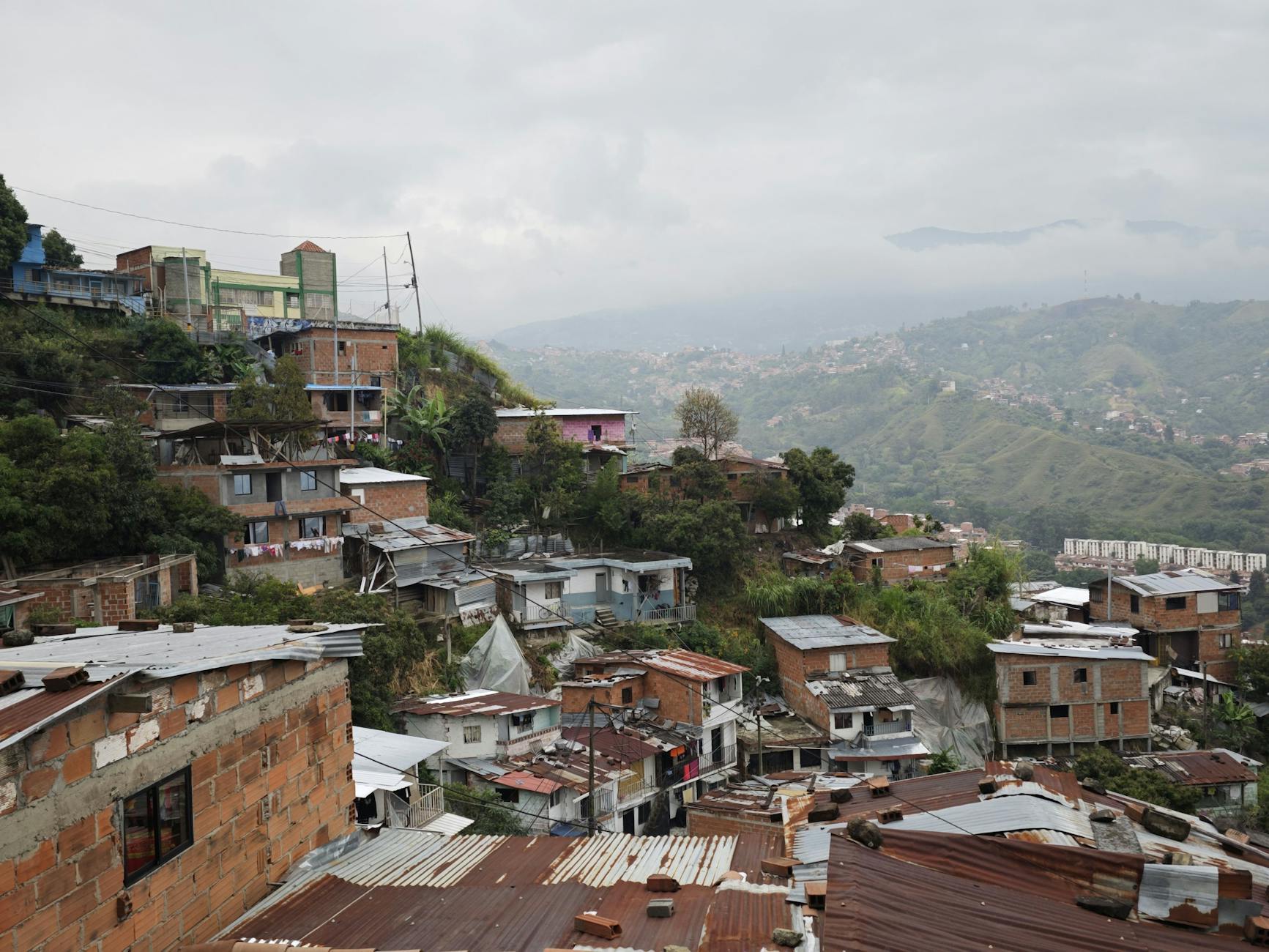
The real story beyond the headlines. Medellín has transformed dramatically, and most expats report feeling safer than expected. Here's what you actually need to know.
Specific question while you read? Ask Catalina, the Medellín Guide concierge.Chat with Catalina ›
Acknowledging the Past, Embracing the Present
Yes, Medellín had a difficult history. The 1990s and early 2000s saw significant violence and drug-related crime. But if you're considering moving here in 2026, you're not moving to that Medellín. You're moving to a transformed city that has worked hard to rebuild its reputation and safety infrastructure.
The transformation has been real and measurable. Over the past two decades, homicide rates have dropped by over 90%. The city invested heavily in infrastructure, community programs, security, and, most importantly, changed its image. Today, Medellín consistently ranks as one of the safest major cities in Latin America.
The Current Safety Reality
Let's be honest: Medellín isn't Zurich. Like any major city - Miami, Atlanta, São Paulo, or Mexico City - it has safe neighborhoods and areas you should avoid. The key difference is that Medellín's safe neighborhoods are genuinely safe, affordable, and expat-friendly.
Statistical Context
Medellín's homicide rate sits roughly in the 15 to 20 per 100,000 range in recent years (city secretariat figures, 2023 to 2025). That's higher than most developed-world cities but in the same range as several large US cities, broadly comparable to Miami and Atlanta in 2024 reporting, and well below cities like Baltimore or New Orleans. Specific year-on-year comparisons drift, so the headline is: Medellín is no longer a statistical outlier among large American-hemisphere cities.
Most violence occurs in specific neighborhoods (often on the periphery) involving criminal actors, not affecting tourists or expats in safe zones.
Expat areas like El Poblado, Laureles, and Envigado are heavily policed and consistently safe.
The Safest Neighborhoods for Expats
El Poblado (The Expat Stronghold)
The densest expat neighborhood. Heavily policed, well-lit streets, cameras, private security everywhere. Walking around day or night, you'll see tourists, expats, and locals without incident. It's vibrant, expensive, and the safest bet if security is your primary concern.
Laureles / Estadio
Growing number of expats here. More Colombian, less touristy than El Poblado, but equally safe. Good restaurants, walkable, safer at night than you might expect. Police presence is regular. Most expats report feeling very secure.
Envigado (South)
Quiet, upscale residential area. Families, retirees, professionals. Safe, calm, excellent restaurants. Slightly less "exciting" than El Poblado but safer and more peaceful. Good metro connection to the rest of the city.
Sabaneta (Far South)
Further out, small-town feel. Very affordable, family-oriented. Safe, especially in the centro area near the metro. Less English spoken, requires comfort with Spanish, but genuinely safe and quiet.
Skip These Areas: Some neighborhoods on the periphery (Communes 1, 2, 6; certain parts of the South) have higher crime. Most expats never have reason to visit these areas. Stick to the neighborhoods above and you'll be fine.
Common-Sense Safety Precautions
Safety here isn't mysterious - it's about basic street smarts that apply to any major city. Paisas have a single phrase that captures the whole mindset, and it's worth learning on day one.
Do's
Be aware of your surroundings: Don't walk around staring at your phone. Stay alert, especially at night.
Use trusted transportation: Uber is safe and reliable. Official taxis and metro are fine during the day. Avoid unmarked taxis.
Travel in groups at night: Especially if you're unfamiliar with an area.
Stay in well-populated areas: El Poblado, Laureles, Envigado have foot traffic even at night.
Trust your gut: If a situation feels off, leave.
Don'ts
Don't flash expensive items: No ostentatious jewelry, watches, or phones. This applies to any major city.
Don't carry large amounts of cash: Use ATMs during daylight. Cards are accepted almost everywhere.
Don't wander unfamiliar neighborhoods at night: Especially true of new arrivals.
Don't assume you're invisible: You're a foreigner; that can attract attention both positive and opportunistic. Be discreet.
Don't resist if robbed: If someone demands your wallet, give it up. No possession is worth your safety.
Scams to Watch Out For
More common than violent crime are scams targeting expats and tourists. Awareness prevents most.
Taxi Overcharging
Unmarked taxis may overcharge foreigners. Solution: use a ride-hail app (DiDi, Cabify, InDriver, or Uber) instead of flagging from the street. Yellow city taxis hailed from a queue at a mall or the airport are also fine, insist on the meter ("con el taxímetro, por favor").
Real Estate Scams
Be wary of too-good-to-be-true rental prices or sellers asking for upfront deposits without proper documentation. Work with a reputable real estate agent or use medellín.guide to vet properties.
ATM Skimming
Use ATMs in banks or safe locations (malls, hotels), not on the street. Check the ATM for signs of tampering before use.
Contactless Card Skimming & RFID Protection
Nearly every credit card issued in the last few years is contactless - you can tap to pay instead of inserting the chip. Those cards broadcast a short-range RFID/NFC signal that a thief with a concealed reader can theoretically pick up through a pocket or bag, especially in a tight crowd. Realistic places to be aware of this in Medellín: packed metro cars (especially Line A during rush hour), crowded bars in Parque Lleras, the San Alejo flea market, and El Hueco downtown.
The real-world risk is smaller than the marketing around it. Modern EMV contactless payments use a one-time token, not your actual card number, and most banks cap contactless transactions and reject duplicates within seconds. But stolen card data from compromised POS terminals, cloned magnetic stripes, and card-swap tricks at inattentive cashiers are genuinely more common here than at home. So treat RFID protection as cheap insurance, not a silver bullet.
Practical card-safety checklist for Medellín:
Carry cards in an RFID-blocking wallet or sleeve ($10 to $25 on Amazon or at Falabella). Even a folded sheet of aluminum foil works in a pinch.
Keep your tap-to-pay card in a back slot of the wallet, with other cards in front of it - they disrupt the signal.
Turn on instant transaction alerts in your bank app (Bancolombia, Wise, Revolut all support this) so you see any charge within seconds.
Never let a waiter or cashier take your card out of your sight. In Colombia, portable POS terminals come to the table - that's the norm. If someone walks away with your card, that's a red flag.
Cover the keypad when entering a PIN, even at a supermarket.
Use a dedicated travel card (Wise, Revolut, or a low-limit credit card) for daily spending, and keep your main card locked away at home.
If a card is lost or skimmed, lock it instantly in the app - then call the bank. Colombian banks all support in-app freezing.
Fake Police / Tourist Scams
Rare, but occasionally a person claiming to be police approaches tourists requesting ID or money. Legitimate police carry official ID and have procedures. If in doubt, ask to go to a police station. Don't hand over money or documents to anyone on the street.
Drink Spiking, Scopolamine and Dating Apps
This is the one risk worth taking seriously, because it targets foreigners specifically and it has been rising. Criminals use a drug called scopolamine, known locally as burundanga: odorless, tasteless, it leaves victims compliant and confused and erases their memory of the hours that follow. It gets slipped into a drink, or even onto a hand or a business card, and the goal is robbery, emptying your bank accounts, your apartment, and your phone while you are unable to resist.
The most common setup today is a dating app. Someone matches with you, steers the meeting toward a bar or your apartment, and you are drugged once you are alone or distracted. In late 2023 the US Embassy tied a cluster of foreigner deaths in Medellín to exactly this pattern and issued a formal warning, and reported thefts against foreigners rose sharply over the same period. This is not a reason to live in fear. It is a reason to change a few specific habits.
Bars and dating apps, how to stay safe:
Meet a new date in a public place in daylight or early evening, never at your apartment or theirs for the first few meetings.
Tell a friend where you are going and with whom, and share your live location (WhatsApp and Google Maps both do this).
Watch your drink being poured and never leave it unattended, even for a bathroom trip. Lost sight of it? Buy a fresh one.
Do not accept a drink, cigarette, food, gum, or anything to smell from someone you just met.
Never bring someone you just met back to your home, and do not let them dictate where you go next.
If a date pushes hard to move somewhere private fast, that is the red flag. Leave.
If a friend turns extremely drunk after a single drink, treat it as a possible drugging: get them to urgencias and do not let a stranger "help" take them home.
What to Do in an Emergency
Emergency Numbers
All emergencies (police, ambulance, fire):123, Colombia's single consolidated emergency line. Use this in any crisis. Operators in Medellín can usually find an English speaker; if not, the SitiOS / 123 app on your phone can geo-locate you and route the request.
Tourist Police (Policía de Turismo): +57 604 444 9090, non-emergency English-speaking line for theft reports, lost documents, and tourist-specific issues.
Ignore older guides that list 112 (that's the EU emergency number, not Colombia's), 119 (the old separate fire-brigade line), or 125 (no longer used), all emergency call routing in Colombia consolidated to 123.
If You're Robbed
In the moment, do not resist. Hand over the phone or wallet, keep your hands visible, and let them leave. The US Embassy is blunt about this: people who fight back are far more likely to be hurt. Possessions are replaceable.
Afterward, file a denuncia (police report). You will need it for travel insurance and to replace a stolen passport or cédula. Two ways:
Online (fastest): the national police site ADenunciar (adenunciar.policia.gov.co) handles theft and most non-violent crimes. It is Spanish-only and takes about 24 hours to process. Do it before you leave the country.
In person: go to a Fiscalía URI (Unidad de Reacción Inmediata), or for help in English call the Policía de Turismo on +57 604 444 9090 and they will walk you through it.
If You're Injured
Call 123 for an ambulance or go directly to a hospital emergency room (urgencias). The major hospitals expats and visitors use are Hospital Pablo Tobón Uribe (Castilla), Clínica Las Américas Auna (Belén), Hospital Universitario San Vicente Fundación (Prado), and Clínica El Rosario (multiple branches, including El Tesoro and Centro). Don't worry about insurance at the moment, they'll stabilize you first and sort out payments later.
Women's Safety Specifically
Medellín is generally safe for women, with some caveats common to any large city.
Catcalling is common but rarely escalates to harassment.
Stay aware of your surroundings, especially late at night.
Don't display signs of wealth (expensive jewelry, alone with visible cash).
El Poblado and similar safe neighborhoods have plenty of women out day and night.
The expat community is large and supportive; many women expats thrive here alone.
Most women expats report feeling safer in Medellín than they did in their home cities. The city's investment in safety and its growing expat community mean support, well-policed neighborhoods, and a welcoming environment.
Perception vs. Reality
A major finding from expat surveys: almost everyone arrives with fear based on Medellín's old reputation. After a few weeks, that fear dissipates as they experience the actual reality of safe, vibrant neighborhoods, friendly people, and an active social scene.
The cognitive dissonance is striking: "I expected danger, but I feel safer here than I did in the US." This is a common refrain.
How medellín.guide Supports Your Safety
Our team goes beyond general advice:
Neighborhood orientations: We take you on personalized walks through potential neighborhoods, showing you safe routes, good places to eat, and areas to avoid.
24/7 emergency contact: You have our number for any security concern or emergency.
Real-time safety updates: We keep an eye on local news and can advise if anything affects your area.
Community introductions: Connecting you with the local expat and Colombian community reduces isolation and increases support networks.
Transportation support: We can arrange safe transportation for appointments, outings, or unfamiliar areas.
Cultural context: Understanding local customs and norms helps you navigate safely and respectfully.
The Bottom Line
Medellín is safe. Not "zero risk" safe - no city is - but genuinely safe if you live in the right neighborhoods, practice basic street smarts, and use common sense. Most expats report feeling safer here than in their home countries.
The city's transformation is real. It's a place where families, retirees, and young professionals are choosing to live not despite safety concerns, but because safety isn't actually a concern. Come with awareness, not fear. Medellín rewards those who engage with it respectfully.
Still have questions?
Catalina is our concierge. Ask her about visas, neighborhoods, healthcare, prices, anything Medellín. She answers in chat or WhatsApp, English or Spanish, free.
¿Una pregunta específica mientras lees? Pregúntale a Catalina, la conserje de Medellín Guide.Chatea con Catalina ›
Reconocer el Pasado, Abrazar el Presente
Sí, Medellín tuvo una historia difícil. Los años 90 y principios de los 2000 vieron violencia significativa y crimen relacionado con drogas. Pero si estás considerando mudarte aquí en 2026, no te estás mudando a esa Medellín. Te estás mudando a una ciudad transformada que ha trabajado duro para reconstruir su reputación e infraestructura de seguridad.
La transformación ha sido real y medible. En las últimas dos décadas, las tasas de homicidio han caído más del 90%. La ciudad invirtió fuertemente en infraestructura, programas comunitarios, seguridad y, lo más importante, cambió su imagen. Hoy, Medellín se posiciona consistentemente como una de las ciudades más seguras de América Latina.
La Realidad Actual de Seguridad
Seamos honesto: Medellín no es Zurich. Como cualquier gran ciudad · Miami, Atlanta, São Paulo o Ciudad de México · tiene barrios seguros y áreas que deberías evitar. La diferencia clave es que los barrios seguros de Medellín son genuinamente seguros, asequibles y amigables para expatriados.
Contexto Estadístico
La tasa de homicidios de Medellín ronda los 15 a 20 por cada 100,000 habitantes en años recientes (cifras de la secretaría de la ciudad, 2023 a 2025). Eso es más alto que la mayoría de ciudades del mundo desarrollado, pero en el rango de varias grandes ciudades estadounidenses, ampliamente comparable a Miami y Atlanta en reportes de 2024, y muy por debajo de ciudades como Baltimore o Nueva Orleans. Las comparaciones año a año varían, así que el titular es: Medellín ya no es una anomalía estadística entre grandes ciudades del hemisferio americano.
La mayoría de la violencia ocurre en barrios específicos (frecuentemente en la periferia) involucrando a actores criminales, sin afectar turistas o expatriados en zonas seguras.
Las áreas de expatriados como El Poblado, Laureles y Envigado tienen fuerte presencia policial y son consistentemente seguras.
Los Barrios Más Seguros para Expatriados
El Poblado (El Bastión de Expatriados)
El barrio más denso de expatriados. Fuertemente vigilado, calles bien iluminadas, cámaras, seguridad privada por todas partes. Cuando caminas de día o de noche, verás turistas, expatriados y locales sin incidentes. Es vibrante, caro, y la apuesta más segura si la seguridad es tu preocupación principal.
Laureles / Estadio
Número creciente de expatriados aquí. Más colombiano, menos turístico que El Poblado, pero igualmente seguro. Buenos restaurantes, caminable, más seguro por la noche de lo que podrías esperar. La presencia policial es regular. La mayoría de expatriados reportan sentirse muy seguros.
Envigado (Sur)
Zona residencial tranquila y de alto nivel. Familias, jubilados, profesionales. Seguro, tranquilo, excelentes restaurantes. Un poco menos "emocionante" que El Poblado pero más seguro y pacífico. Buena conexión con metro al resto de la ciudad.
Sabaneta (Sur Lejano)
Más alejado, con toque de pueblo pequeño. Muy asequible, orientado a familias. Seguro, especialmente en el área del centro cerca del metro. Menos inglés hablado, requiere comodidad con español, pero genuinamente seguro y tranquilo.
Evita Estas Áreas: Algunos barrios en la periferia (Comunas 1, 2, 6; ciertas partes del Sur) tienen mayor delincuencia. La mayoría de expatriados nunca tienen razón para visitar estas áreas. Quédate en los barrios anteriores y estarás bien.
Precauciones de Sentido Común
La seguridad aquí no es misteriosa · es cuestión de sentido común callejero que se aplica a cualquier gran ciudad. Los paisas tienen una sola frase que captura todo el pensamiento, y vale la pena aprender desde el primer día.
Sí Hacer
Ten conciencia de tu entorno: No camines mirando tu teléfono. Mantente alerta, especialmente por la noche.
Usa transporte de confianza: Uber es seguro y confiable. Los taxis oficiales y metro están bien durante el día. Evita taxis sin marcar.
Viaja en grupos por la noche: Especialmente si no conoces bien el área.
Quédate en áreas bien pobladas: El Poblado, Laureles, Envigado tienen flujo de peatones incluso de noche.
Confía en tu instinto: Si una situación se siente mal, vete.
No Hacer
No exhibas artículos costosos: Sin joyas ostentosas, relojes o teléfonos. Esto se aplica a cualquier gran ciudad.
No cargues grandes cantidades de efectivo: Usa cajeros durante el día. Las tarjetas se aceptan casi en todas partes.
No vagabundees por barrios desconocidos de noche: Especialmente cierto para recién llegados.
No asumas que eres invisible: Eres extranjero, eso puede atraer atención tanto positiva como oportunista. Sé discreto.
No resistas si te roban: Si alguien te exige la billetera, dásela. Ninguna posesión vale tu seguridad.
Estafas para Tener en Cuenta
Más comunes que el crimen violento son las estafas dirigidas a expatriados y turistas. La conciencia previene la mayoría.
Sobrecobro en Taxis
Los taxis sin marcar pueden sobrecargar a los extranjeros. Solución: usa una app de viajes compartidos (DiDi, Cabify, InDriver, o Uber) en lugar de parar uno en la calle. Los taxis amarillos de la ciudad parados en una fila en un centro comercial o el aeropuerto también están bien, insiste en el taxímetro ("con el taxímetro, por favor").
Estafas Inmobiliarias
Ten cuidado con precios de alquiler demasiado buenos para ser verdad o vendedores que piden depósitos por adelantado sin documentación adecuada. Trabaja con un agente inmobiliario de reputación o usa medellín.guide para verificar propiedades.
Clonación de Cajeros
Usa cajeros en bancos o ubicaciones seguras (centros comerciales, hoteles), no en la calle. Revisa el cajero por señales de manipulación antes de usarlo.
Clonación de Tarjetas sin Contacto y Protección RFID
Casi todas las tarjetas de crédito emitidas en los últimos años son sin contacto · puedes tocar para pagar en lugar de insertar la tarjeta. Esas tarjetas transmiten una señal corta de RFID/NFC que un ladrón con un lector oculto puede teóricamente captar a través de un bolsillo o bolsa, especialmente en una multitud apretada. Lugares realistas para estar consciente de esto en Medellín: vagones abarrotados del metro (especialmente Línea A en hora pico), bares llenos en Parque Lleras, el mercadillo San Alejo, y El Hueco en el centro.
El riesgo en la vida real es menor que el marketing alrededor de él. Los pagos modernos sin contacto EMV usan un token de un solo uso, no tu número de tarjeta real, y la mayoría de bancos limitan transacciones sin contacto y rechazan duplicados en segundos. Pero datos de tarjeta robados de terminales POS comprometidas, bandas magnéticas clonadas, y trucos de cambio de tarjetas en cajeros desatentos son genuinamente más comunes aquí que en casa. Así que trata la protección RFID como seguro barato, no como una solución definitiva.
Lista de verificación práctica de seguridad de tarjetas para Medellín:
Carga tarjetas en una billetera o funda que bloquee RFID ($10 a $25 en Amazon o en Falabella). Incluso una hoja doblada de papel aluminio funciona en un apuro.
Mantén tu tarjeta sin contacto en una ranura trasera de la billetera, con otras tarjetas al frente · disruptan la señal.
Activa alertas de transacción instantánea en tu app del banco (Bancolombia, Wise, Revolut todos lo soportan) para que veas cualquier cargo dentro de segundos.
Nunca dejes que un mesero o cajero se lleve tu tarjeta fuera de tu vista. En Colombia, las terminales POS portátiles vienen a la mesa · eso es lo normal. Si alguien se va con tu tarjeta, eso es una bandera roja.
Cubre el teclado cuando ingreses un PIN, incluso en un supermercado.
Usa una tarjeta de viaje dedicada (Wise, Revolut, o una tarjeta de crédito con límite bajo) para gastos diarios, y guarda tu tarjeta principal cerrada en casa.
Si una tarjeta se pierde o se clona, bloquéala instantáneamente en la app · luego llama al banco. Los bancos colombianos todos soportan congelamiento en la app.
Policía Falsa / Estafas a Turistas
Raro, pero ocasionalmente una persona que afirma ser policía se acerca a turistas solicitando ID o dinero. La policía legítima porta ID oficial y tiene procedimientos. Si tienes dudas, pide ir a una estación de policía. No entregues dinero o documentos a nadie en la calle.
Bebidas Adulteradas, Burundanga y Aplicaciones de Citas
Este es el riesgo que vale la pena tomar en serio, porque se dirige específicamente a extranjeros y ha ido en aumento. Los criminales usan una droga llamada escopolamina, conocida localmente como burundanga: inodora, insípida, deja a las víctimas obedientes y confundidas y borra su memoria de las horas que siguen. Se cuela en una bebida, o incluso en una mano o una tarjeta de visita, y el objetivo es robo, vaciar tus cuentas bancarias, tu apartamento y tu teléfono mientras no puedes resistir.
La configuración más común hoy es una aplicación de citas. Alguien coincide contigo, dirige el encuentro hacia un bar o tu apartamento, y eres drogado una vez que estás solo o distraído. A finales de 2023 la Embajada de EE.UU. vinculó un grupo de muertes de extranjeros en Medellín a exactamente este patrón e emitió una advertencia formal, y los robos reportados contra extranjeros aumentaron considerablemente en el mismo período. Esto no es una razón para vivir con miedo. Es una razón para cambiar algunos hábitos específicos.
Bares y aplicaciones de citas, cómo mantenerte seguro:
Conoce a una cita nueva en un lugar público a la luz del día o principios de la noche, nunca en tu apartamento o el suyo en los primeros encuentros.
Cuéntale a un amigo a dónde vas y con quién, y comparte tu ubicación en vivo (WhatsApp y Google Maps ambos lo hacen).
Observa tu bebida siendo servida y nunca la dejes desatendida, ni siquiera para ir al baño. ¿La perdiste de vista? Compra una nueva.
No aceptes una bebida, cigarro, comida, chicle, o nada para oler de alguien que acabas de conocer.
Nunca lleves a alguien que acabas de conocer de vuelta a tu casa, y no permitas que dicten a dónde van después.
Si una cita insiste fuerte en mudarse a un lugar privado rápido, esa es la bandera roja. Vete.
Si un amigo se vuelve extremadamente borracho después de una sola bebida, trátalo como un posible envenenamiento: llévalo a urgencias y no permitas que un extraño los "ayude" a llevarlo a casa.
Qué Hacer en una Emergencia
Números de Emergencia
Todas las emergencias (policía, ambulancia, bomberos):123, la línea de emergencia consolidada de Colombia. Usa esto en cualquier crisis. Los operadores en Medellín generalmente pueden encontrar un hablante de inglés; si no, la app SitiOS / 123 en tu teléfono puede geolocalizar y enrutar la solicitud.
Policía de Turismo: +57 604 444 9090, línea no urgente en inglés para reportes de robo, documentos perdidos, y asuntos específicos de turistas.
Ignora guías antiguos que listan 112 (ese es el número de emergencia de la UE, no de Colombia), 119 (la antigua línea separada de bomberos), o 125 (ya no en uso), todo enrutamiento de llamadas de emergencia en Colombia se consolidó a 123.
Si Te Roban
En el momento, no resistas. Entrega el teléfono o la billetera, mantén las manos visibles, y déjalos ir. La Embajada de EE.UU. es blunt sobre esto: personas que se resisten tienen muchas más probabilidades de ser lastimadas. Las posesiones son reemplazables.
Después, presenta una denuncia (reporte policial). Lo necesitarás para seguros de viaje y para reemplazar un pasaporte o cédula robados. Dos formas:
En línea (más rápido): el sitio de la policía nacional ADenunciar (adenunciar.policia.gov.co) maneja robos y la mayoría de crímenes no violentos. Es solo en español y toma alrededor de 24 horas procesar. Hazlo antes de dejar el país.
En persona: ve a una Fiscalía URI (Unidad de Reacción Inmediata), o para ayuda en inglés llama a la Policía de Turismo en +57 604 444 9090 y te guiarán.
Si Te Lesionas
Llama al 123 para una ambulancia o ve directamente a una sala de emergencia de hospital (urgencias). Los principales hospitales que expatriados y visitantes usan son Hospital Pablo Tobón Uribe (Castilla), Clínica Las Américas Auna (Belén), Hospital Universitario San Vicente Fundación (Prado), y Clínica El Rosario (múltiples sedes, incluyendo El Tesoro y Centro). No te preocupes sobre el seguro en este momento, te estabilizarán primero y ordenarán los pagos después.
Seguridad de las Mujeres Específicamente
Medellín es generalmente seguro para mujeres, con algunas salvedades comunes a cualquier gran ciudad.
Las cantadas callejeras son comunes pero raramente escalan a acoso.
Mantente consciente de tu entorno, especialmente tarde por la noche.
No exhibas signos de riqueza (joyas caras, sola con efectivo visible).
El Poblado y barrios seguros similares tienen muchas mujeres de día y noche.
La comunidad expatriada es grande y solidaria; muchas mujeres expatriadas prosperan aquí solas.
La mayoría de mujeres expatriadas reportan sentirse más seguras en Medellín que en sus ciudades de origen. La inversión de la ciudad en seguridad y su creciente comunidad expatriada significan apoyo, barrios bien vigilados, y un ambiente acogedor.
Percepción vs. Realidad
Un hallazgo importante de encuestas a expatriados: casi todos llegan con miedo basado en la vieja reputación de Medellín. Después de unas pocas semanas, ese miedo se disipa cuando experimentan la realidad actual de barrios seguros, vibrantes, gente amable, y una escena social activa.
La disonancia cognitiva es sorprendente: "Esperaba peligro, pero me siento más seguro aquí que en EE.UU." Este es un refrán común.
Cómo medellín.guide Apoya tu Seguridad
Nuestro equipo va más allá del consejo general:
Orientaciones de barrio: Te llevamos en caminatas personalizadas por barrios potenciales, mostrándote rutas seguras, buenos lugares para comer, y áreas a evitar.
Contacto de emergencia 24/7: Tienes nuestro número para cualquier preocupación de seguridad o emergencia.
Actualizaciones de seguridad en tiempo real: Estamos atentos a noticias locales y podemos asesorarte si algo afecta tu área.
Presentaciones comunitarias: Conectarte con la comunidad expatriada local y colombiana reduce el aislamiento e incrementa redes de apoyo.
Apoyo de transporte: Podemos arreglar transporte seguro para citas, salidas, o áreas desconocidas.
Contexto cultural: Entender costumbres locales y normas te ayuda a navegar segura y respetuosamente.
La Conclusión
Medellín es seguro. No seguro de "riesgo cero" · ninguna ciudad lo es · pero genuinamente seguro si vives en los barrios correctos, practicas sentido común callejero, y usas el sentido común. La mayoría de expatriados reportan sentirse más seguros aquí que en sus países de origen.
La transformación de la ciudad es real. Es un lugar donde familias, jubilados, y profesionales jóvenes están eligiendo vivir no a pesar de preocupaciones de seguridad, sino porque la seguridad realmente no es una preocupación. Ven con conciencia, no con miedo. Medellín recompensa a quienes se relacionan con ella respetuosamente.
¿Aún tienes preguntas?
Catalina es nuestra conserje. Pregúntale sobre visas, barrios, healthcare, precios, cualquier cosa de Medellín. Ella responde en chat o WhatsApp, inglés o español, gratis.
Take a neighborhood tour with our team to see the safe, thriving neighborhoods where expats live. Get real answers to your safety questions from someone on the ground.
Get Medellín in your inboxRecibe Medellín en tu correo
One short Saturday email. New guides, what's on this week, and the things worth knowing. No noise.Un correo corto cada sábado. Nuevas guías, qué hay esta semana, y lo que vale la pena saber. Sin ruido.